Kenyan SMEs, ecommerce businesses and online merchants need to choose the correct payment gateway to ensure that they can accept payments from customers both locally and internationally. When choosing an online payment solution in Kenya, one should consider:
Network International provides online payment infrastructure for Kenyan businesses that offers all of the above.
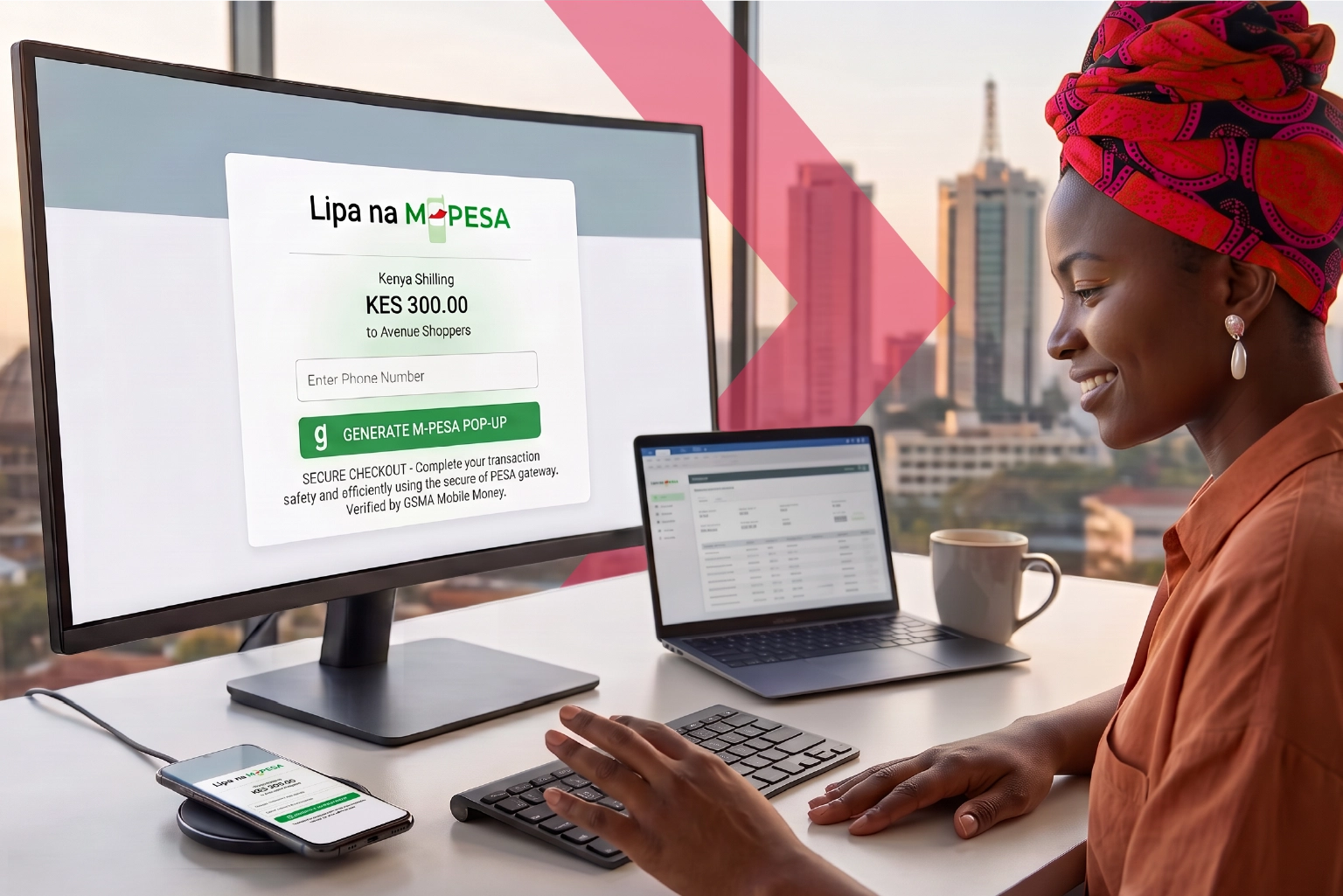
For an online payment to be processed, various systems need to connect with each other. This is what a payment gateway is for. It connects the merchant, payment processor and relevant financial institution with the customer’s online payment. The payment gateway helps submit the transaction for authorisation and supplies the payment result to the business.
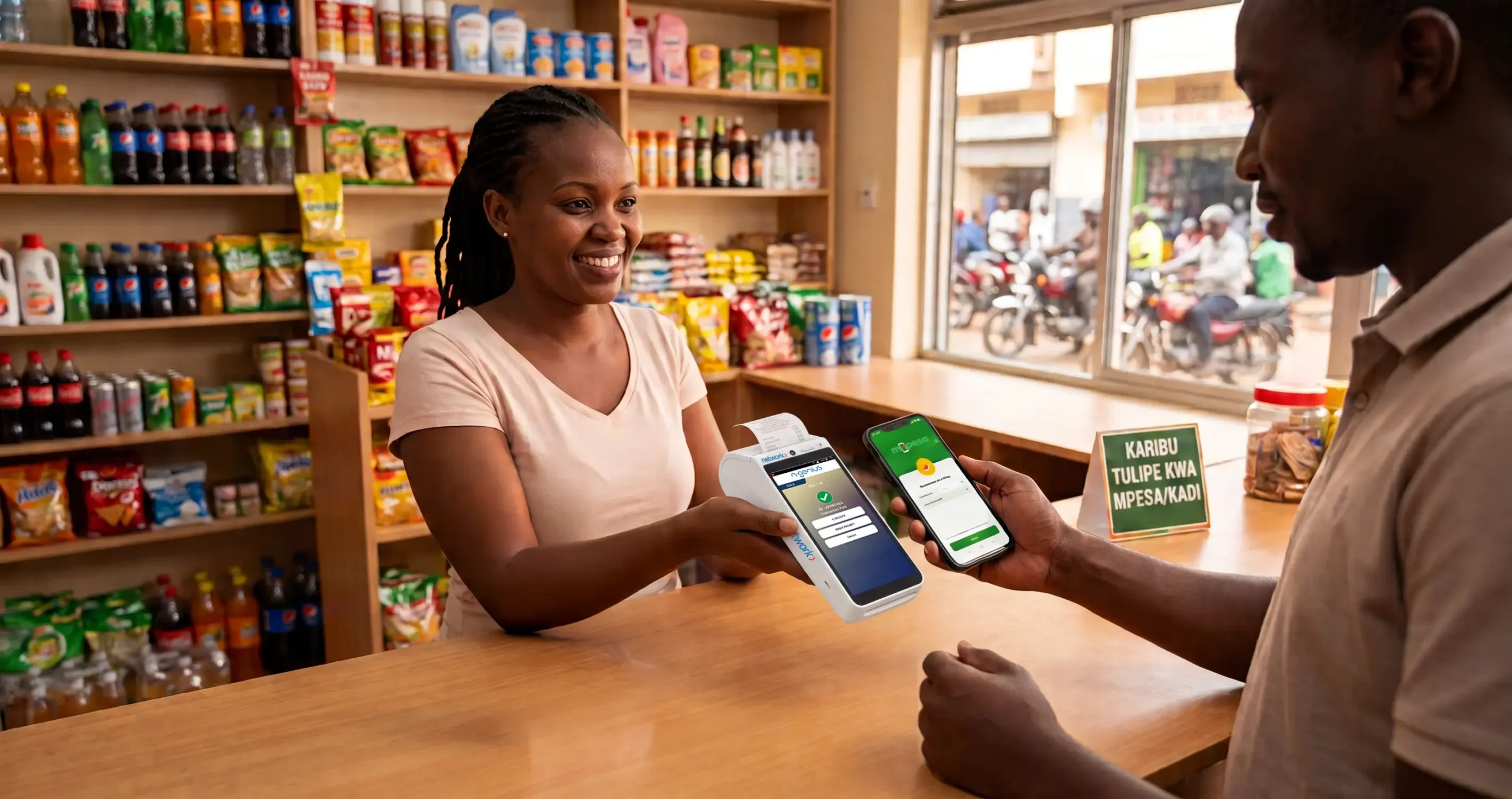
In Kenya, it’s important for a payment gateway to not only accept international cards but also support other payment methods used by customers, such as mobile-money wallets.
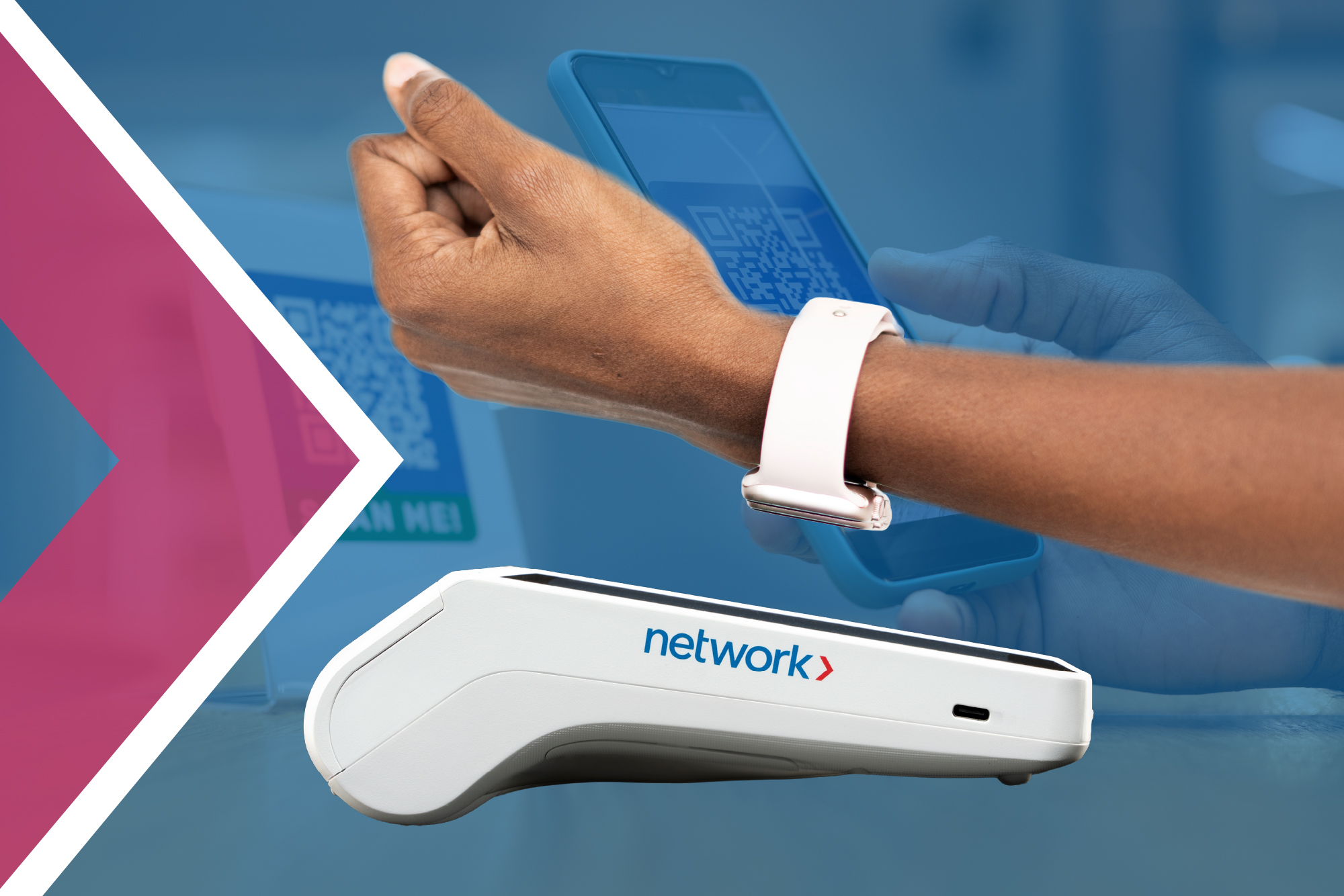
Network offers many payment methods in Kenya, such as credit and debit cards, mobile-money digital wallets and more. It also supports multiple currencies so that businesses can serve international customers. This is particularly helpful when dealing with travel and tourism payments.
Businesses should ask the following questions when selecting a payment infrastructure:
The process can differ depending on your website and the provider you choose. However, a typical integration would involve the following steps:
Complete the requisite onboarding and verification process.
Your developer will receive the relevant credentials or keys to communicate with the payment gateway.
This could be via an API, a hosted checkout or another integration.
Your system will send the relevant transaction information to the payment gateway.
Set up your system to receive and process the payment result (e.g. successful or declined).
Test the payment flow from start to finish, taking into account all types of transaction possibilities, before accepting live transactions.
View our payment integration documentation and resources for further details on how we cater to all types of Kenyan businesses. Businesses that don’t have a full ecommerce website can use Network payment links or emailed invoices so that they can still accept payment remotely, thereby reducing drop-off.
There are always inherent risks involved with any type of online transaction. Fraud, chargebacks, payment disputes, technical failures and declined transactions are always possibilities, but the key is how you mitigate them.
When selecting a payment gateway, you should always assess its security measures, as well as the fees and terms for handling refunds and disputes.
There is no single payment gateway that can be described as the safest. When choosing a secure solution, merchants should look at the following:
Network uses 3DS2 for all online card payments. This system uses additional customer and transaction information to authenticate cardholders. This additional information also helps issuers assess fraud risk.
Remember that businesses should always avoid collecting or storing sensitive card information themselves, unless they have the strictest compliance controls in place.
Yes. Businesses in Kenya can provide customers with both mobile-money and card options online, depending on which payment provider they choose.
DPO Pay supports M-PESA, international cards such as Visa, Mastercard and American Express, and other mobile-money wallet options. It also supports international currencies to cater for customers beyond Kenya’s borders.
The answer depends on the countries a business operates in and the customers’ preferred payment methods. It also requires businesses to consider developer integration requirements.
DPO Pay supports various payment methods such as mobile-money wallets and international cards, making it an appealing option for businesses in Kenya and beyond.