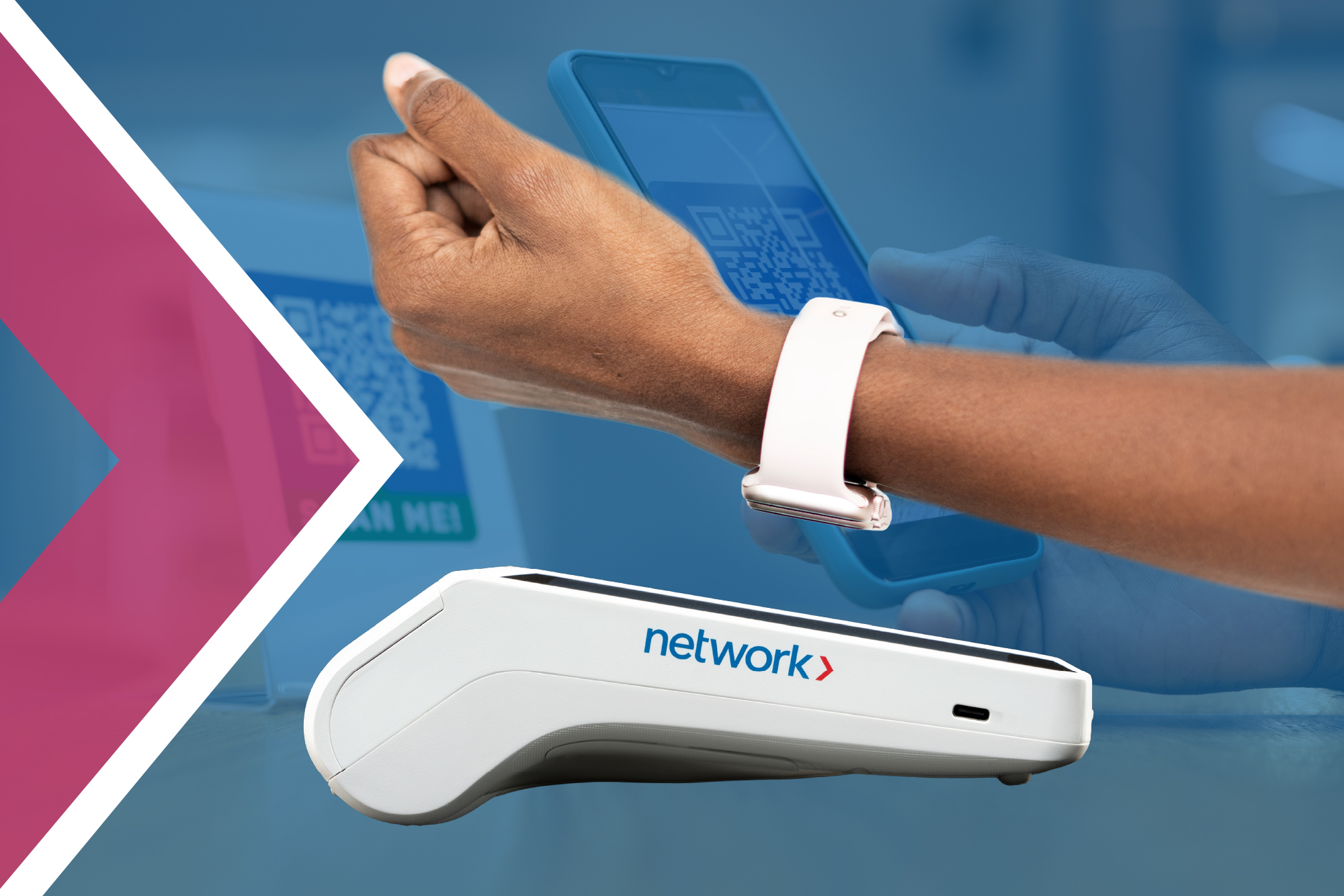
As digital payments continue to evolve across Africa, consumers are increasingly looking for faster, more convenient ways to pay. Contactless payments, commonly referred to as “tap to pay”, are becoming an important part of this shift, helping businesses streamline transactions while improving the customer experience.
While adoption levels differ across markets, the momentum behind digital commerce is creating strong foundations for contactless payments to expand. Consumers are becoming more comfortable with digital payment methods, merchants are investing in modern payment infrastructure, and mobile-first lifestyles are reshaping expectations at checkout.
According to the GSMA State of the Industry Report on Mobile Money 2025, mobile money users made more than US$100 billion in merchant payments during 2024, reflecting continued growth in digital payment adoption across the continent. These developments highlight how African consumers are embracing new ways to pay and why businesses need to stay ahead of evolving payment preferences.
For today’s consumers, convenience matters. Whether purchasing groceries, paying for fuel, dining at a restaurant or shopping in-store, customers increasingly expect a fast and frictionless payment experience. Contactless payments help meet these expectations by reducing the time spent at checkout and making transactions simpler and more efficient.
Several factors are contributing to the growth of contactless payments across Africa:
Banks across many African markets continue to issue contactless-enabled payment cards, while merchants are upgrading their point-of-sale infrastructure to support tap payments. At the same time, smartphone ownership continues to rise, creating greater access to digital wallets and NFC-enabled payment experiences.
Africa’s digitally connected population is reshaping how payments are made. Younger consumers increasingly expect payments to be embedded into the devices they use every day, including smartphones, smartwatches and wearable technology. As convenience becomes a key driver of purchasing behaviour, businesses need payment experiences that align with these changing expectations.
Long queues and slow payment processes can create friction for both customers and merchants. Contactless payments provide a faster way to complete transactions, helping businesses improve operational efficiency while creating a smoother customer journey.
As with any payment method, consumer confidence plays a crucial role in adoption. While contactless payments incorporate multiple security measures, businesses, banks and consumers all have a role to play in maintaining payment security.
Consumers can help protect themselves by:
A secure payment ecosystem supports wider adoption and helps businesses and consumers benefit from digital payment innovation with confidence.
Although adoption is increasing, contactless payments are not yet universally available across Africa. Many businesses still operate older payment infrastructure, while cash, bank transfers and mobile money remain dominant payment methods in several markets.
Additional barriers include connectivity challenges, limited access to modern devices, power constraints and low consumer awareness of available payment technologies. According to the World Bank, cash remains widely used across Sub-Saharan Africa, highlighting the ongoing need for greater financial inclusion and digital payment education.
Successfully expanding contactless payments will require continued collaboration between financial institutions, payment providers, merchants and regulators to strengthen acceptance infrastructure and increase consumer awareness.
As Africa’s digital economy continues to grow, consumers will increasingly expect the flexibility to pay however they choose, whether through cards, mobile money, digital wallets or emerging contactless technologies. Businesses that offer a broad range of payment options will be better positioned to meet customer expectations and capture new opportunities for growth.
At DPO Pay, we believe payment innovation should help businesses remove friction, reach more customers and participate in the continent’s rapidly evolving digital economy. As payment preferences continue to evolve, giving customers greater choice at checkout will remain an important driver of business success.