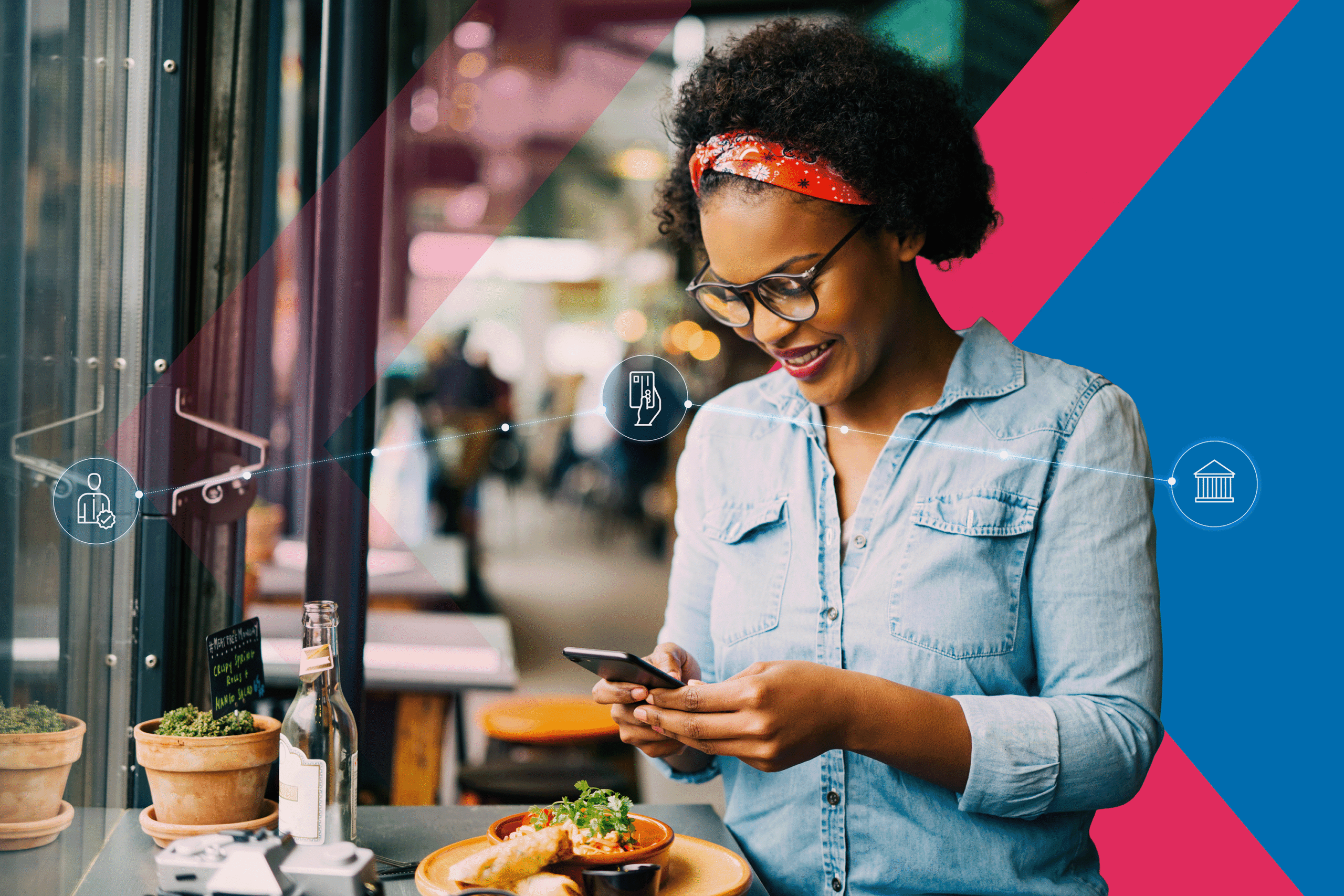
Across Africa, more businesses are accepting payments online, in-store and through mobile money and cards. But behind every one of those transactions are several technologies working together to move money securely. One of the most important is the payment gateway.
Whether you run an online store, a hotel or a supermarket till, your customers expect payments to be fast, secure and simple. The payment gateway is what makes that possible.
So what exactly is a payment gateway, and how does it work in Africa’s fast-moving payments landscape?
A payment gateway is the technology that lets you accept digital payments securely.
Think of it as the electronic link between your customer, your business and the banks or mobile money providers involved in a transaction.
It works with any payment method — debit or credit cards, mobile money, bank transfers, or QR codes — and passes the payment details along safely so the transaction can be approved.
In simple terms, a payment gateway acts like a digital cashier. It checks, encrypts and approves payments in real time.
Payment gateways and payment processors are often confused, but they play different roles in a digital payment transaction.
A payment gateway is the technology that securely captures and sends payment information from the customer to the relevant financial institutions for approval. It’s the customer-facing part of the payment journey that enables payments to be accepted online, in-store or through digital channels.
A payment processor , on the other hand, is the service that moves the transaction through the payment networks and helps transfer funds between banks, card schemes, mobile money operators and merchants.
Think of it this way:
Both are essential for completing a payment, and many modern payment providers combine these capabilities into a single solution, making it easier for businesses to accept and manage payments.
When your customer pays, the payment gateway securely captures their payment details and sends them to the relevant payment processor, bank, card network or mobile money provider for verification and approval.
Their bank, mobile money provider, or card network checks whether the payment can go through.
Once it’s approved, you get confirmation and the transaction is complete — usually within seconds.
For you, this means fewer failed transactions and less exposure to fraud. For your customers, it means confidence that their payment, and their information, is handled safely.
African consumers already have more ways to pay than ever — mobile wallets, cards, bank transfers and digital channels. A payment gateway is what lets your business meet customers wherever they are, without turning away a sale because you don’t support their preferred payment method.
A payment gateway helps you:
In markets where mobile money and traditional banking operate side by side, a payment gateway also helps unify those payment rails into a single, manageable flow for your business.
Not all payment gateways are built the same way. The right one should let you accept payments securely, process them in real time, and give your customers the flexibility to pay by card, mobile money, bank transfer, QR code, or other digital channels — without extra friction at checkout.
Network gives you exactly that. It’s built to help businesses accept, process and manage digital payments securely across multiple channels, with real-time authorisation and support for the payment methods your customers already use.
Network brings this together into one payment infrastructure, so you can run a smoother checkout, understand what’s happening with your payments, and grow across both online and offline channels.
See how Network can help your business accept secure digital payments across Africa. Get in touch with the team today.