Contactless mobile payments are changing how customers pay and how businesses accept payments. Mobile wallets, tap-to-pay, QR payments and mobile POS solutions are making it easier to complete a transaction without relying on traditional cash or physical cards.
For businesses in Kenya, these changes create new opportunities at the point of sale and online. Understanding how contactless payments work, what customers expect and where payment technology is heading can help you choose the right payment solution for your business. Network supports businesses with payment methods and online payment solutions designed to meet changing customer needs.
A contactless mobile payment allows a customer to pay using a mobile phone or another compatible device without physically inserting or swiping a card. The customer can use a digital wallet or payment app on their phone.
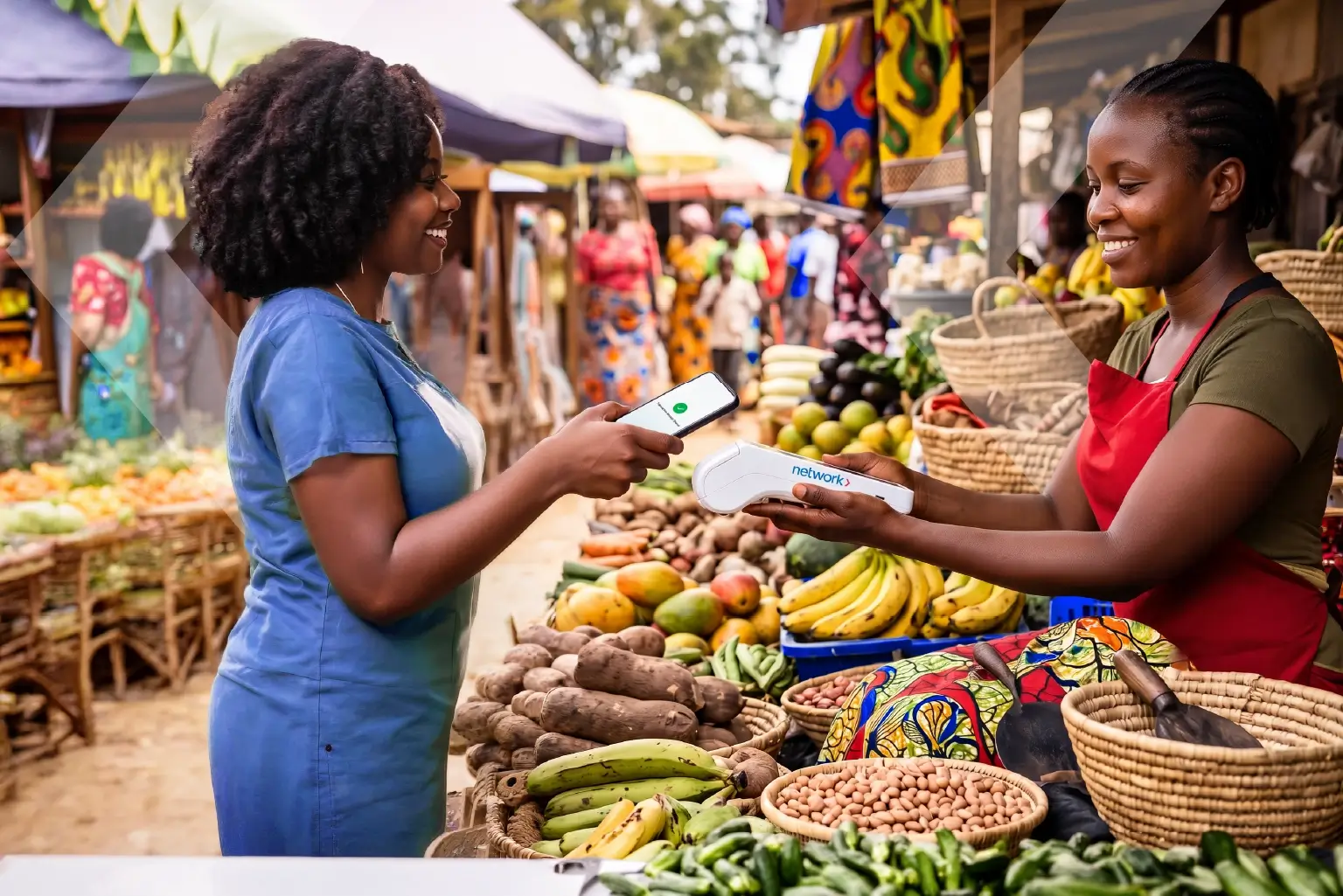
For in-store payments, they can tap their phone against a compatible POS terminal or follow instructions to complete a QR or scan-to-pay transaction. Contactless payments can be used for everyday purchases, online transactions and other situations where customers need a quick and convenient way to pay.
Contactless mobile payments use technologies such as QR codes and digital wallets to connect the customer with the merchant’s payment system.
For a tap-to-pay transaction, the customer selects a card or payment method stored on their phone and holds the device near the payment terminal. The transaction is then processed through the relevant payment network.
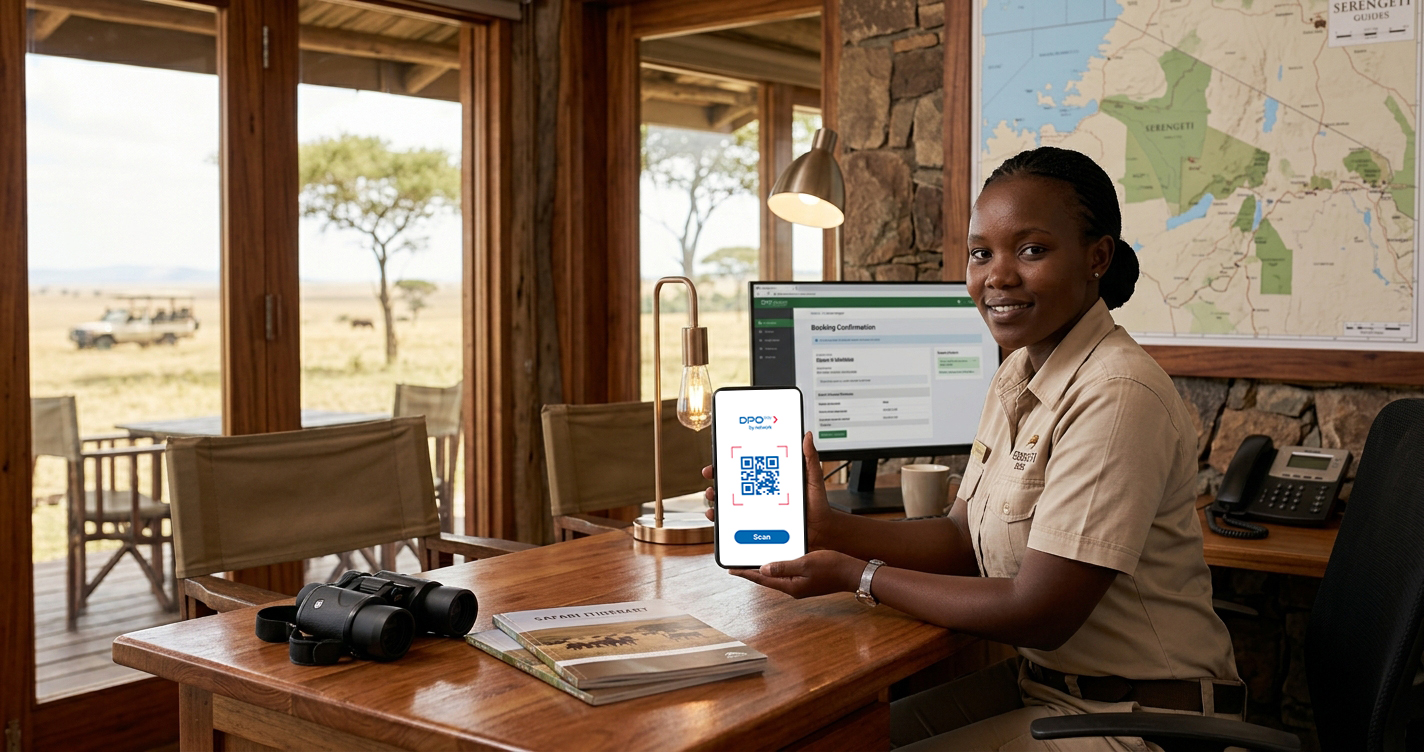
QR payments work differently. A customer scans a merchant’s QR code using their phone or payment app, enters the required amount if prompted and authorises the payment. The exact process depends on the payment method, device, app and payment infrastructure being used.
Contactless payments speed up checkout and give customers more ways to pay.
The benefits of offering contactless payment options include:
The right combination of payment methods depends on your customers, business model and existing payment infrastructure.
Mobile wallets allow customers to store payment cards and other credentials on their phones and use them when making a payment.
As mobile banking and digital payments become more common, customers are becoming accustomed to using their phones for more financial activities. This motivates businesses to support payment methods that fit naturally into how customers already use their devices.
Digital wallets work alongside other payment methods rather than replacing them completely. A business may need to accept cards, mobile payments, QR payments and other options depending on its customer base. For payment providers, this means payment infrastructure needs to support a wider range of ways for customers to pay.
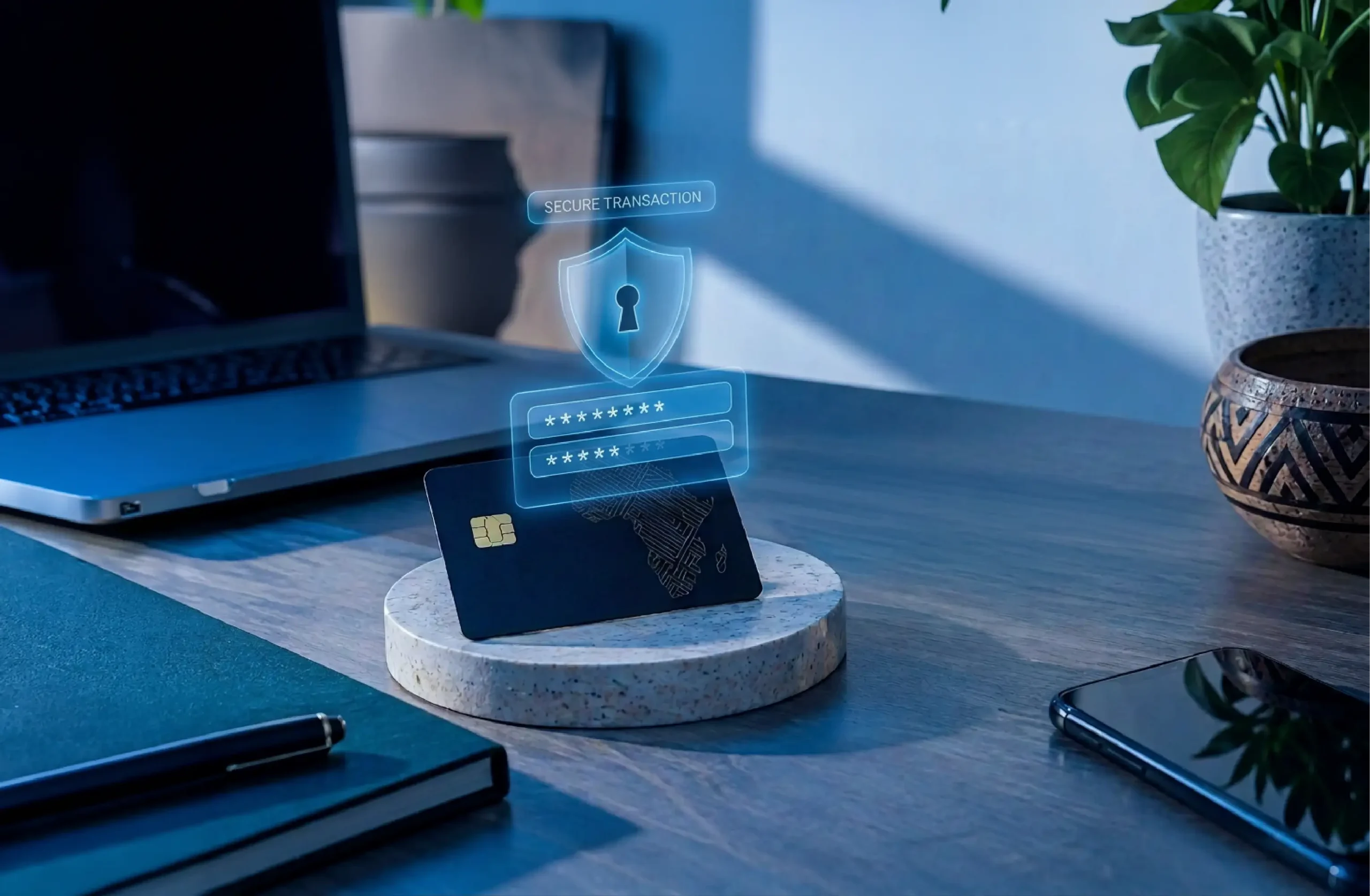
Security is a major consideration as more customers use mobile devices to pay. Contactless mobile payments include several layers of authentication and security. These may include device security, payment tokenisation, encryption and additional authentication when required.
Businesses also need to consider the security of the payment infrastructure they use. Network provides payment security and fraud-prevention capabilities as part of its payment infrastructure. Businesses can review our payment security and fraud-prevention capabilities when evaluating their payment options.
Security should not be treated as an optional extra. As payment methods evolve, businesses need payment systems that can support convenient transactions without losing sight of fraud prevention and customer protection.
The best payment solution depends on how your business operates and how your customers prefer to pay.
Before choosing a solution, consider:
Network provides businesses with a range of payment methods and payment integration options.
Businesses do not necessarily need to replace their existing payment systems every time a new technology becomes available. Instead, they should build payment set-ups that can adapt to changing customer expectations.
This means looking for payment infrastructure that accommodates new payment methods, integrates with existing systems and supports both online and in-store transactions where required.
A flexible payment gateway helps businesses manage online payments while maintaining a consistent payment experience across different customer touchpoints. The goal is not simply to offer the newest payment method. It is to make sure customers have a reliable way to pay when they are ready to complete a transaction.
Contactless mobile payments are becoming part of a broader shift in how customers interact with businesses. Tap-to-pay, digital wallets, QR payments and mobile POS are changing expectations around speed and convenience. For businesses, the priority is to have payment infrastructure that keeps up with those changes.
We provide payment solutions for businesses looking to support different payment methods and connect their payment experience across digital channels. With online payment capabilities, various payment methods and integration options, we help businesses prepare for a payment environment where mobile and contactless transactions play an increasingly important role.
Yes. Mobile payments can be used in stores where the merchant’s payment system supports contactless transactions, QR payments or other mobile payment methods.
Contactless mobile payments in Kenya can include tap-to-pay, mobile wallets, QR payments and mobile POS, depending on the payment method and device.