Every online retailer has probably experienced it.
A customer spends time browsing, carefully selects products, adds them to their cart and proceeds to checkout, only to disappear before completing the purchase.
This phenomenon, known as cart abandonment, remains one of the biggest revenue challenges in e-commerce. According to the Baymard Institute, the average online shopping cart abandonment rate is over 70%, meaning roughly 7 out of 10 shoppers leave without completing their purchase. While some customers are simply browsing or comparing prices, a significant proportion abandon their carts because of avoidable checkout friction.
For merchants, this represents more than lost sales. It means higher customer acquisition costs, lower conversion rates and missed opportunities to build long-term customer relationships. The good news is that many of these abandoned shopping carts can be recovered, not by offering a bigger discount, but by making payment faster, simpler and more effective.
Here are five ways that businesses can reduce cart abandonment using better payments.
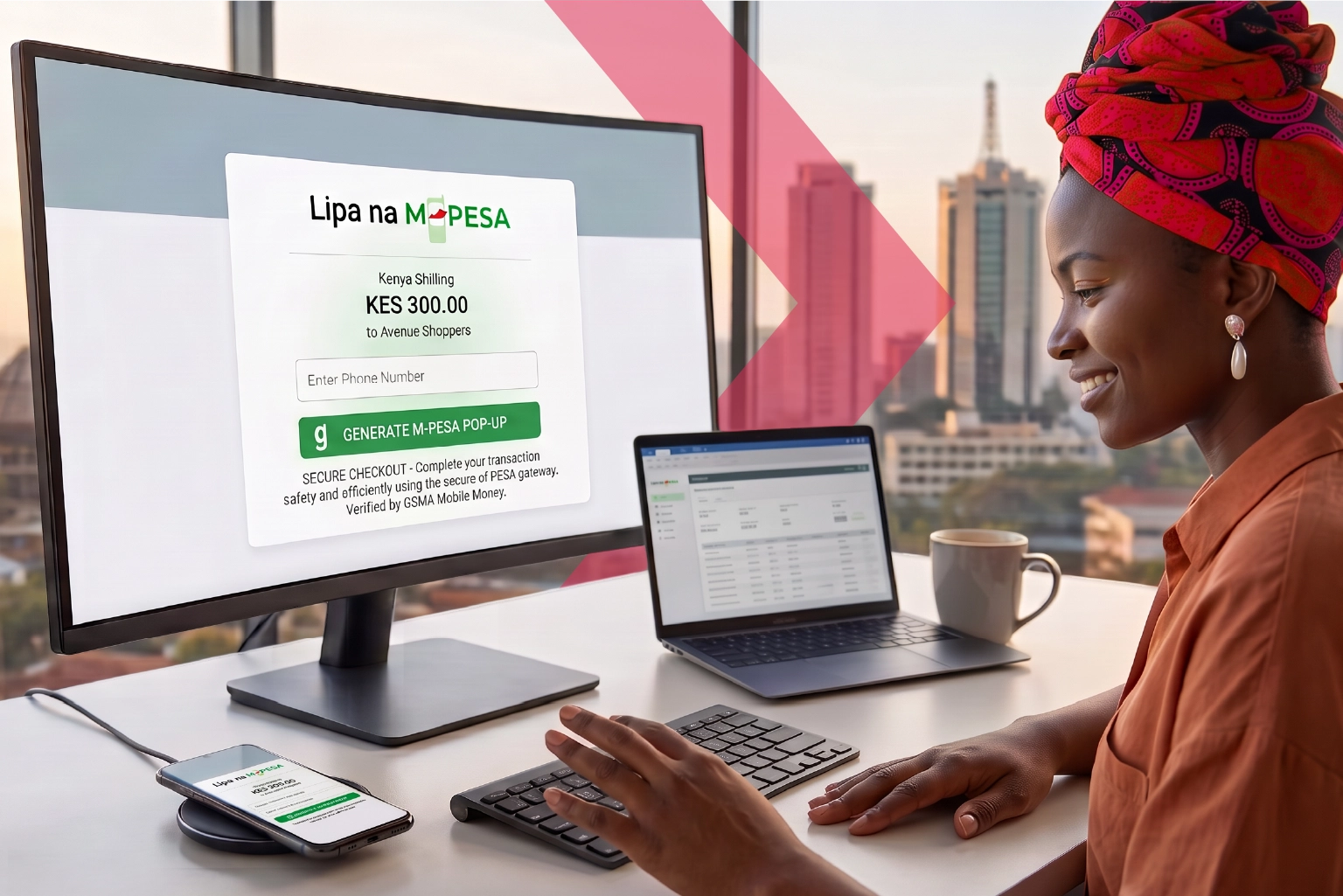
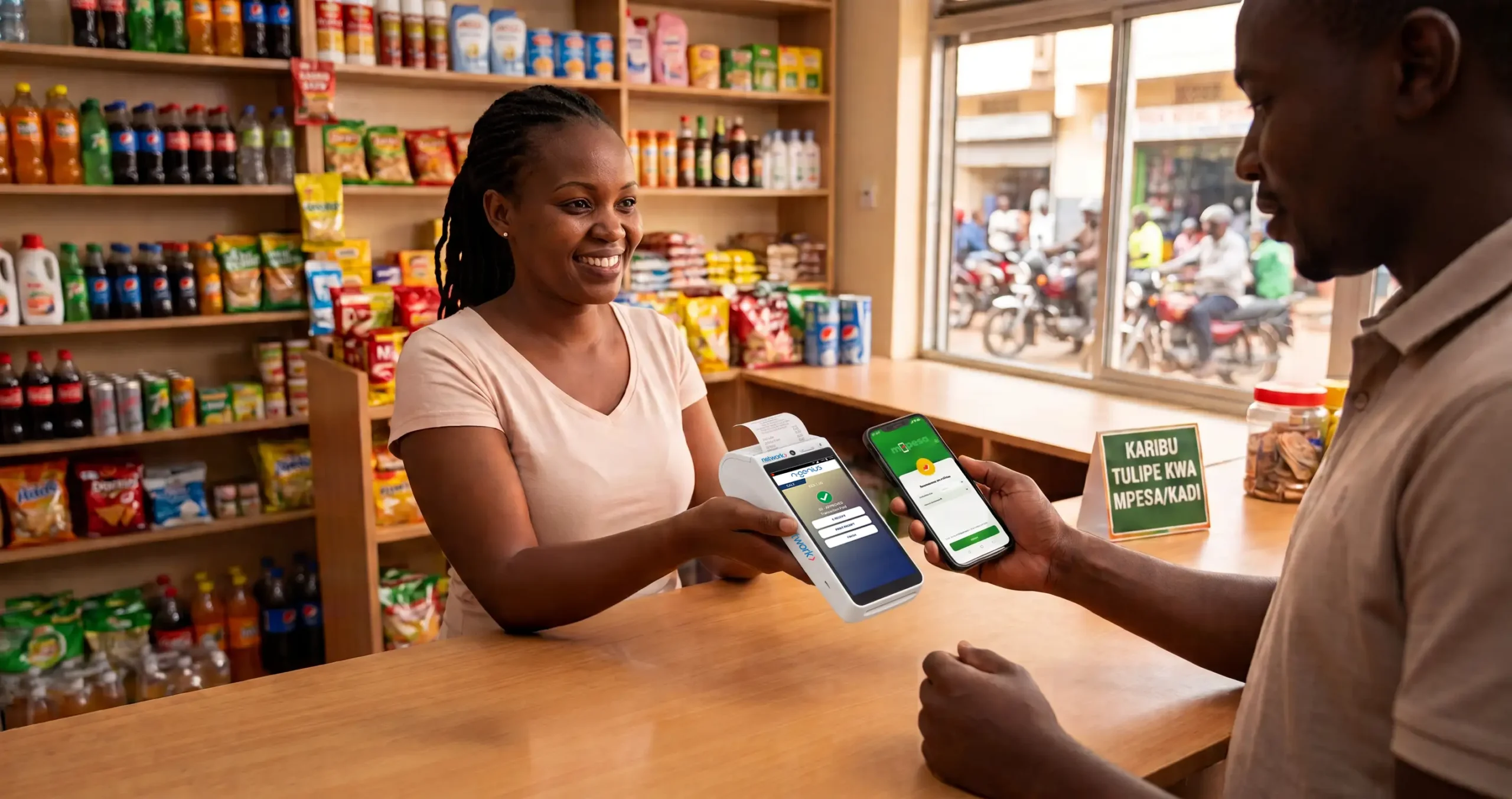
One of the quickest ways to lose a customer is to offer a payment experience that does not match their preferences. Today’s shoppers expect flexibility. Some prefer cards, while others rely on mobile wallets, instant bank transfers or mobile money. When their preferred payment option is not available, many choose to abandon the purchase instead of finding an alternative.
For merchants operating across Africa, offering locally relevant payment methods is especially important. Payment preferences differ significantly between markets, and a one-size-fits-all approach rarely delivers the best conversion rates. A payment platform that supports multiple payment methods through a single integration enables merchants to serve diverse customer preferences while simplifying payment management behind the scenes. The easier customers can pay, the more likely they are to complete their purchase.
Every additional click, redirect or form field creates another opportunity for customers to change their minds. Baymard’s usability research shows that checkout friction, including overly complicated checkout flows and forced account creation, is among the leading causes of avoidable cart abandonment. Around 18% of shoppers abandon purchases when required to create an account, while approximately 17% leave because the checkout process feels too long or complicated.
Merchants can improve completion rates by:
Trust plays a significant role in purchasing decisions. If customers feel uncertain about the security of a payment page, many will abandon their purchase regardless of how much they want the product. Merchants should ensure customers feel protected throughout the payment journey by implementing recognised security standards, encryption technologies and fraud prevention measures.
Visible trust signals including secure payment messaging, recognised payment logos and transparent privacy practices can reassure customers that their financial information is protected. The result is greater confidence at checkout and higher payment completion rates.
Global commerce is growing, but customers still prefer experiences that feel familiar. A localised payment experience extends beyond language. It includes accepting local currencies, supporting regional payment methods, displaying transparent pricing and eliminating unnecessary surprises during checkout.
For businesses expanding across Africa, localisation can have a measurable impact on conversion rates. Customers are far more likely to complete purchases when they recognise payment methods they already trust and use every day. Businesses that adapt their payment experience to local market behaviour create smoother customer journeys and reduce unnecessary barriers to purchase.
Payments should never be treated as an afterthought. Each second saved at checkout, each successful transaction, and each payment option that meets customers’ expectations boost conversion rates and customer loyalty.
At Network, we believe payments should remove barriers, not create them. By helping businesses deliver secure, flexible and seamless payment experiences, merchants can reduce cart abandonment, improve customer satisfaction and unlock sustainable growth. In today’s digital economy, the businesses that win are not simply attracting more shoppers. They are making it easier for customers to complete the purchase.
To learn more about Network’s solutions, visit Network’s website or contact the Network team today.